健康与安全 · June 2026
劣质窗帘的甲醛隐患与安全选购指南
为什么劣质窗帘会持续多年释放甲醛 —— 以及如何挑选真正安全的家用纺织品。
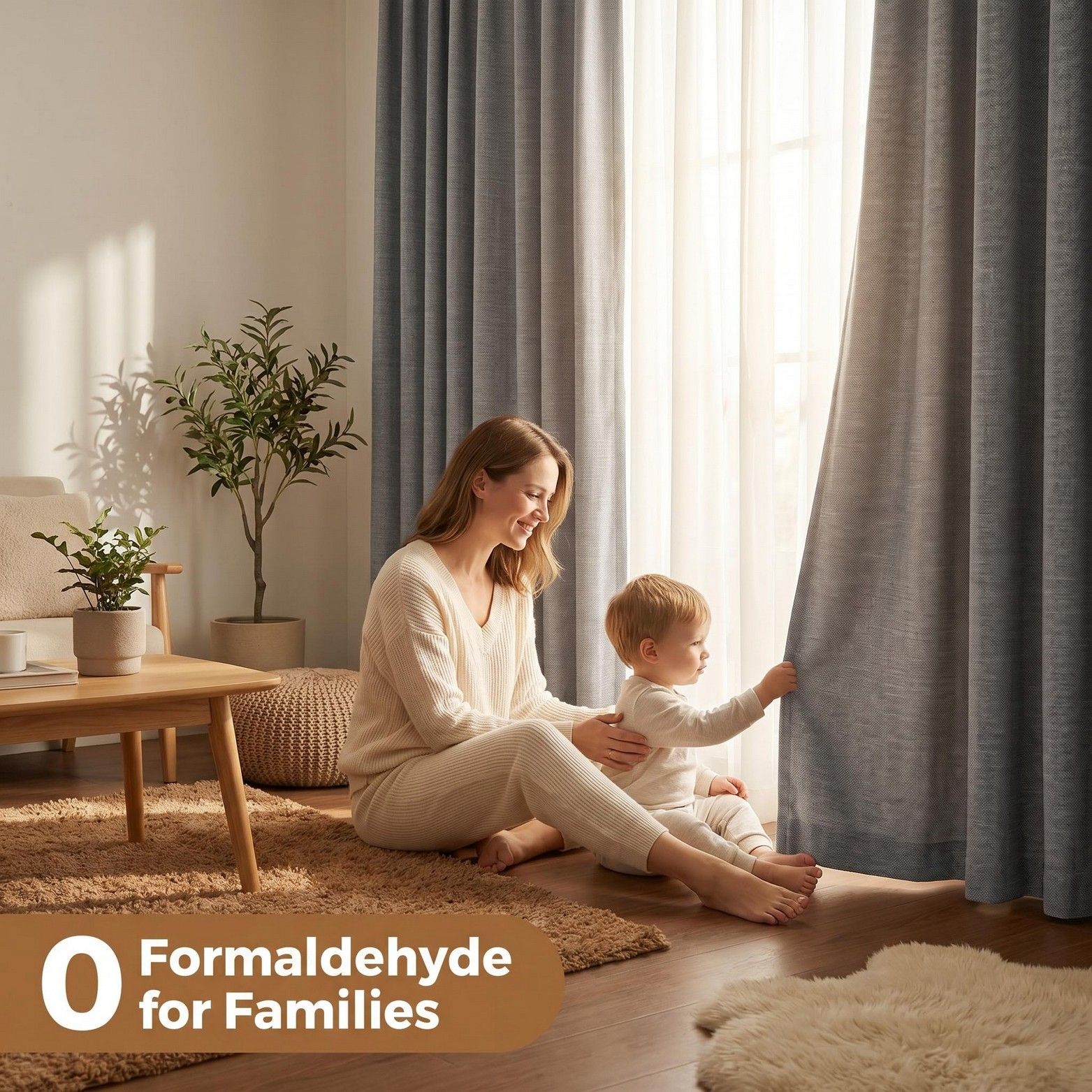
Home textile safety has always been a top priority for families in Europe and America. As large-area soft furnishings inside the house, curtains stay in close contact with residents all day long. Many people overlook that low-quality curtains may contain excessive formaldehyde and harmful chemical residues, posing hidden threats to family health.
Formaldehyde mainly comes from the production process of textiles. To reduce production costs, inferior curtain products adopt cheap chemical additives during dyeing, printing, wrinkle resistance and fabric shaping. These chemicals cause formaldehyde to release continuously into the air for a long time.
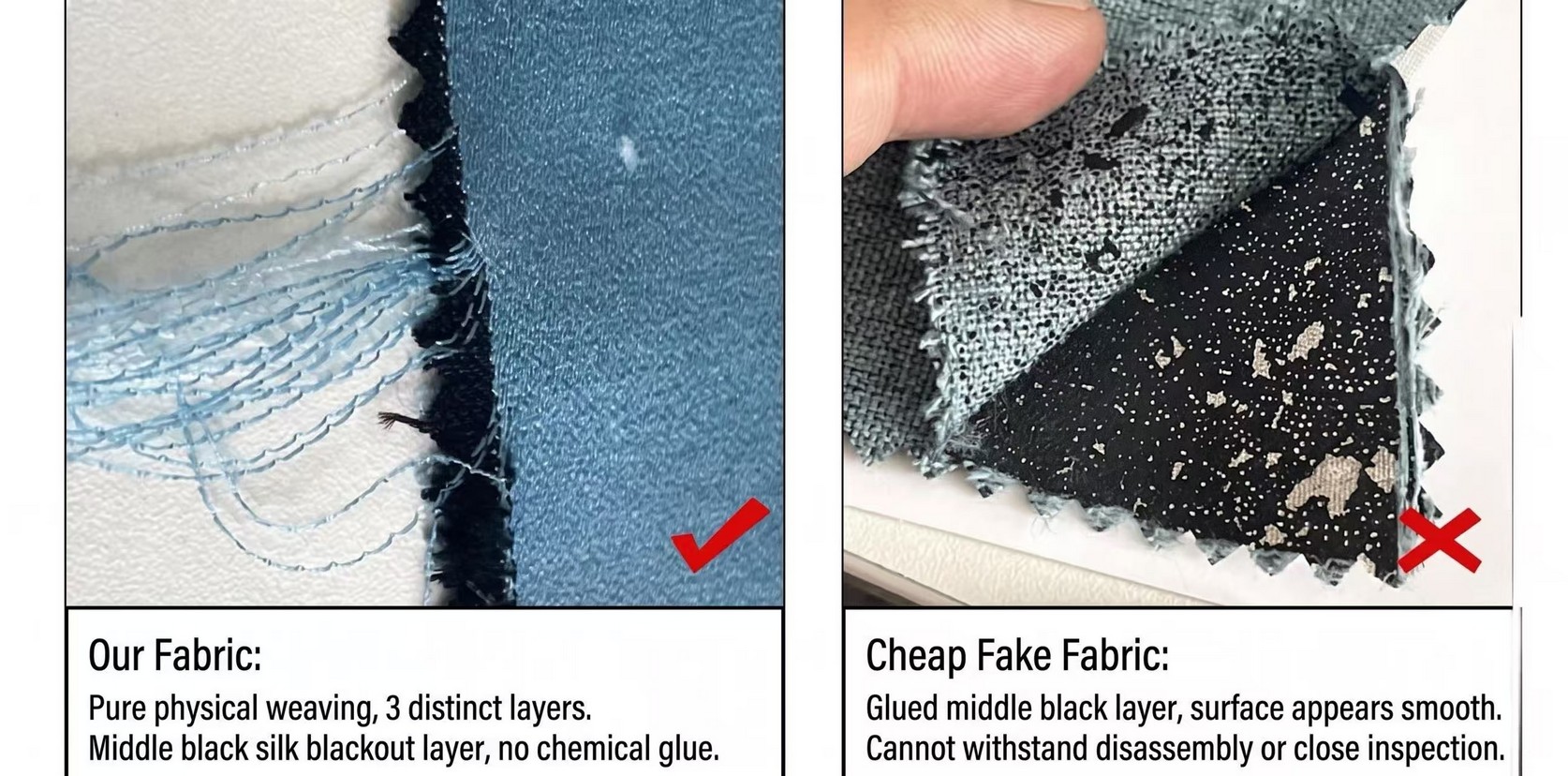
Formaldehyde curtains: a hidden health hazard
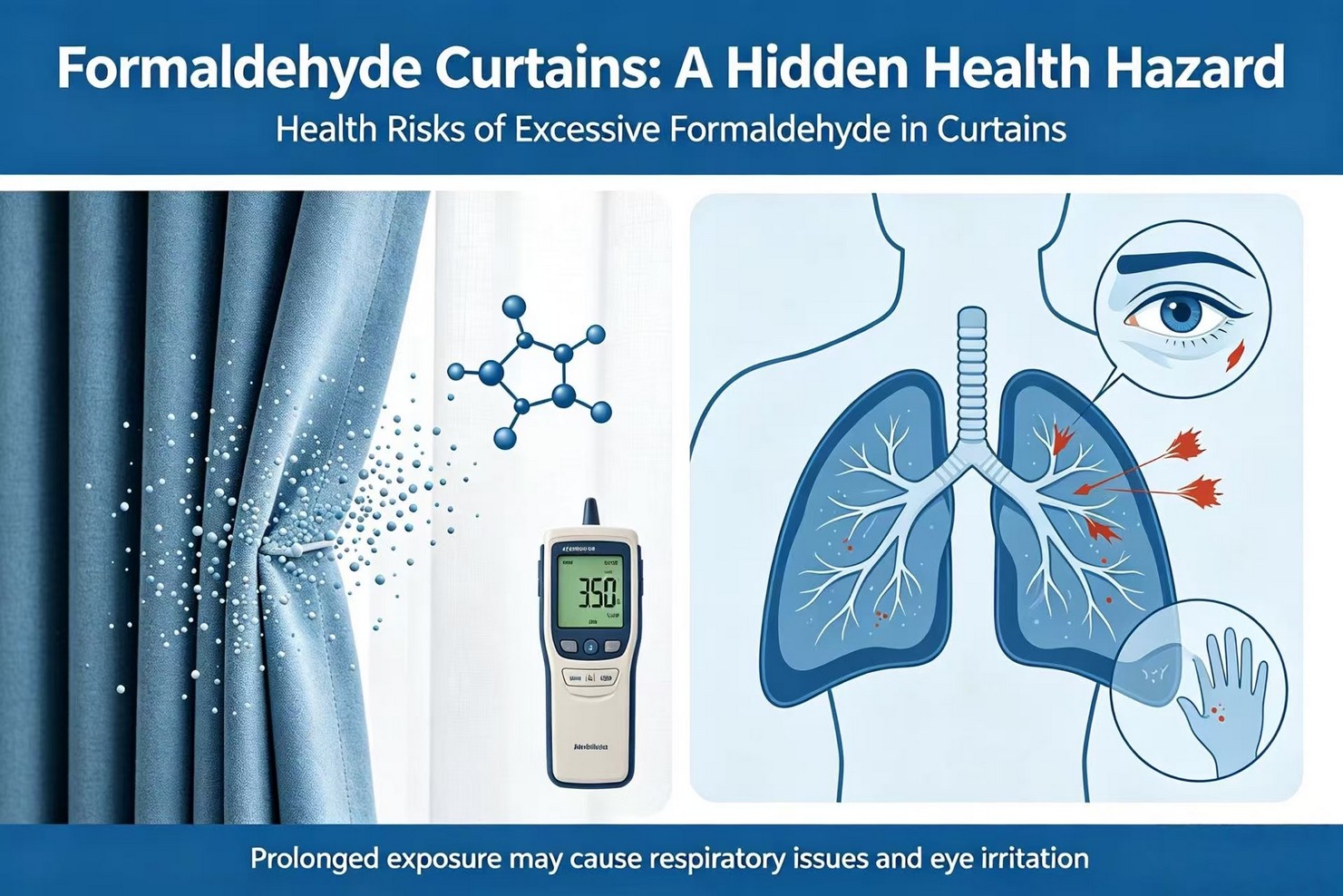
Long-term exposure to excessive formaldehyde can lead to a series of discomforts, such as dry eyes, sore throat and skin allergies. It may also affect sleep quality and physical condition. For vulnerable groups including children, pregnant women and the elderly, the adverse impacts are more obvious.
What a truly safe curtain looks like
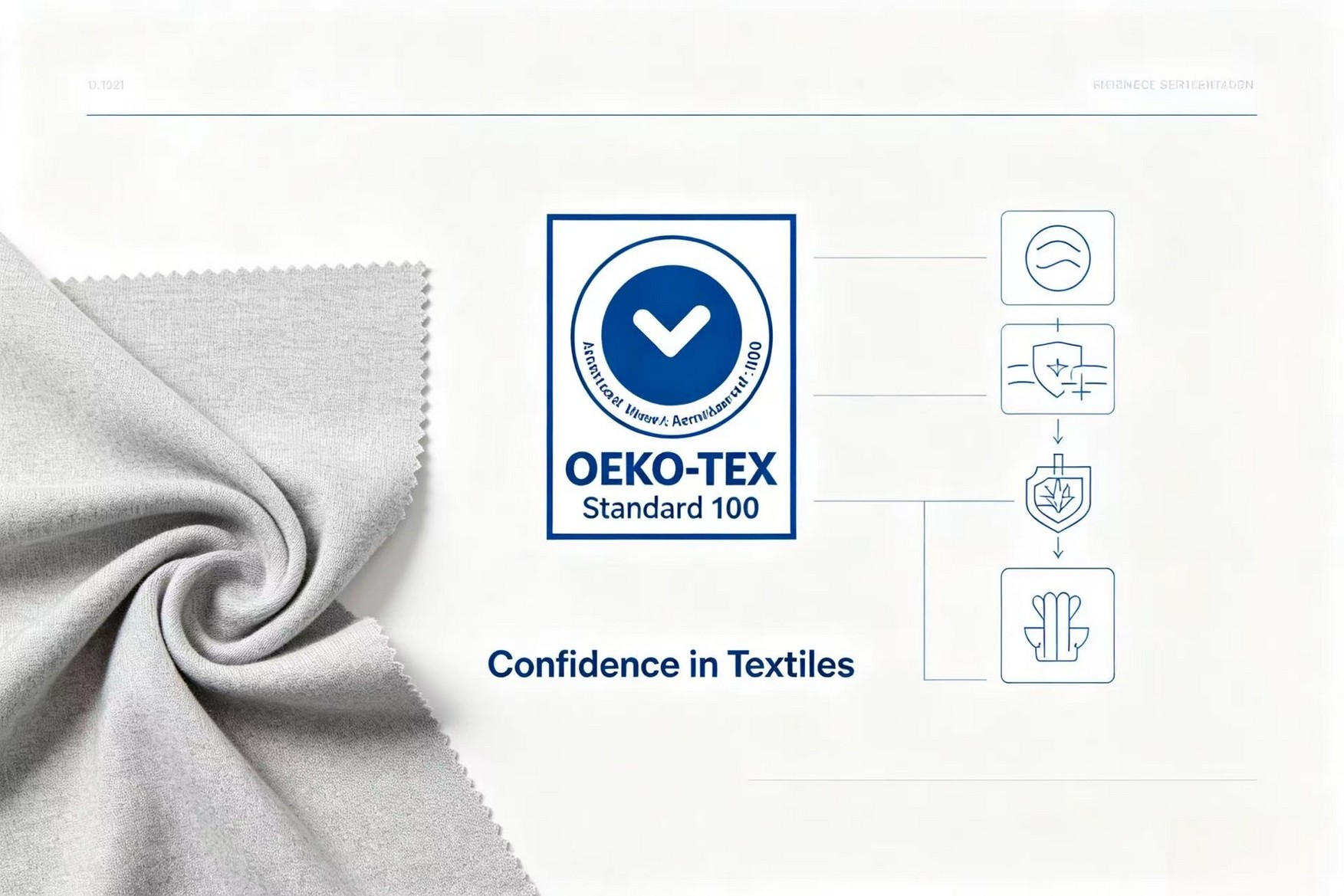
Reliable high-quality curtains strictly comply with EU and US home textile environmental standards. They adopt physical shaping technology and eco-friendly reactive dyes, with no harmful chemical additives added. Such products are odorless, non-irritating and formaldehyde-free, ensuring safe use for all family members.
Zero formaldehyde, for families
Selecting eco-friendly curtains is more than just a decorating decision. It is an important step to protect the long-term health of your loved ones. Nowadays, more and more Western consumers regard environmental protection and safety as the primary criteria when purchasing curtains, and choose healthy textiles to build a pure and comfortable living environment.